

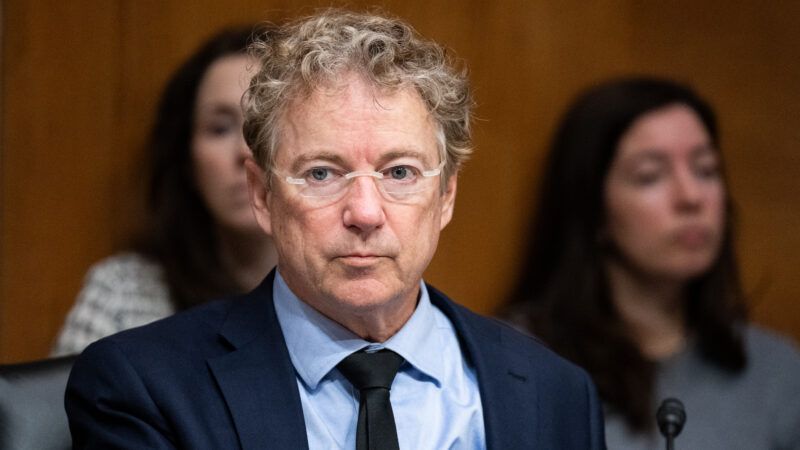
Understanding rand paul tariffs requires more than a surface-level look at trade policy. It demands a closer examination of libertarian economic principles, global trade dynamics, and the political debates shaping modern American policy. Senator Rand Paul has consistently taken a distinctive stance on tariffs, positioning himself as a strong advocate of free markets and limited government intervention.
In this article, we explore the origins, reasoning, and real-world implications of rand paul tariffs, providing a comprehensive and insightful analysis that goes beyond headlines.
The Economic Philosophy Behind Rand Paul Tariffs
To fully grasp rand paul tariffs, it is essential to understand the ideological framework that guides his thinking. Rand Paul aligns closely with libertarian economic theory, which emphasizes minimal government interference, open markets, and individual economic freedom.
From this perspective, tariffs are seen as a form of government distortion. Rather than promoting efficiency, they artificially alter prices, restrict competition, and limit consumer choice. Rand Paul has repeatedly argued that tariffs function as hidden taxes on American consumers, increasing the cost of goods while benefiting a narrow group of domestic producers.
His position is rooted in classical economic theory, particularly the principle of comparative advantage. This concept suggests that countries should specialize in producing goods where they have efficiency advantages and trade freely with others. In this framework, rand paul tariffs are viewed as barriers that undermine global economic efficiency.
Historical Context of Tariffs in the United States
The debate surrounding rand paul tariffs cannot be separated from the broader history of tariffs in the United States. Tariffs have long been used as tools for protecting domestic industries, generating government revenue, and advancing geopolitical objectives.
In earlier periods, especially during the 19th century, tariffs were a primary source of federal revenue. Over time, however, their role shifted toward protectionism, particularly during periods of economic uncertainty.
Rand Paul’s opposition to tariffs reflects a modern reinterpretation of these policies. He often highlights historical examples where protectionist measures led to unintended consequences, such as reduced trade, retaliatory tariffs, and economic inefficiencies.
In contemporary discussions, rand paul tariffs stand in contrast to more interventionist approaches that seek to use tariffs as leverage in international negotiations or as tools for industrial policy.
Rand Paul Tariffs and Free Market Advocacy
One of the central themes in rand paul tariffs is his unwavering support for free trade. He argues that open markets foster innovation, lower prices, and create opportunities for economic growth.
According to Rand Paul, tariffs disrupt these benefits by introducing artificial constraints. He often emphasizes that consumers ultimately bear the burden of tariffs, as companies pass increased costs down the supply chain.
This perspective aligns with broader libertarian and classical liberal views, which prioritize voluntary exchange and market-driven outcomes. Rand Paul’s approach to tariffs is not merely a policy preference but a reflection of his broader belief in economic freedom.
At the same time, his stance has sparked debate within his own political party, where some policymakers support tariffs as a means of protecting domestic industries or addressing trade imbalances.
Political Debates Surrounding Rand Paul Tariffs
The issue of rand paul tariffs has become a focal point in political debates about trade policy. While some leaders advocate for strategic use of tariffs to counter unfair trade practices, Rand Paul consistently warns against the long-term consequences of such measures.
He argues that tariffs often lead to retaliatory actions from trading partners, creating a cycle of escalating trade restrictions. This dynamic can harm exporters, disrupt supply chains, and reduce overall economic growth.
Rand Paul’s position places him in a unique space within American politics. While he shares certain economic goals with other policymakers, his opposition to tariffs sets him apart from more protectionist approaches.
These debates highlight the tension between short-term political objectives and long-term economic principles. Rand Paul tariffs represent a commitment to the latter, even when it conflicts with prevailing political trends.
Economic Impact of Rand Paul Tariffs Policies
Analyzing the potential impact of rand paul tariffs requires examining both theoretical and practical outcomes. From a theoretical standpoint, reducing or eliminating tariffs can lead to increased trade, lower prices, and greater economic efficiency.
In practice, however, the effects can be more complex. While consumers may benefit from lower prices, certain domestic industries may face increased competition from foreign producers. This can lead to job displacement in some sectors, even as new opportunities emerge in others.
Rand Paul acknowledges these challenges but argues that the overall benefits of free trade outweigh the costs. He emphasizes the importance of economic adaptability and innovation, suggesting that open markets ultimately create more opportunities than they eliminate.
His approach to tariffs reflects a long-term perspective, focusing on sustainable economic growth rather than short-term protection.
Rand Paul Tariffs in the Context of Global Trade
The global economy is increasingly interconnected, making the debate over rand paul tariffs more relevant than ever. Trade policies in one country can have far-reaching effects on international markets, supply chains, and diplomatic relations.
Rand Paul’s stance on tariffs aligns with the idea that global cooperation and open markets are essential for economic prosperity. He argues that tariffs not only harm domestic consumers but also strain relationships with trading partners.
In a world where supply chains span multiple countries, tariffs can disrupt production processes and increase costs across industries. Rand Paul highlights these complexities, advocating for policies that promote stability and predictability in global trade.
His perspective underscores the importance of viewing tariffs not just as domestic policy tools but as components of a broader international economic system.
Criticism and Counterarguments
While rand paul tariffs reflect a clear and consistent philosophy, they are not without criticism. Opponents argue that tariffs can play a strategic role in protecting national industries, preserving jobs, and addressing unfair trade practices.
Some critics contend that completely eliminating tariffs may leave domestic industries vulnerable to foreign competition, particularly from countries with lower labor costs or different regulatory standards.
Others argue that tariffs can be used as negotiating tools in trade agreements, helping to secure better terms for domestic businesses.
Rand Paul responds to these critiques by emphasizing the unintended consequences of tariffs. He argues that protectionist measures often create inefficiencies, reduce competitiveness, and ultimately harm the broader economy.
This ongoing debate highlights the complexity of trade policy and the challenges of balancing competing economic priorities.
Rand Paul Tariffs and Consumer Impact
One of the most tangible aspects of rand paul tariffs is their effect on consumers. Tariffs increase the cost of imported goods, which can lead to higher prices for everyday products.
Rand Paul frequently points out that these costs are often hidden, making it difficult for consumers to fully understand the impact of tariffs. He argues that eliminating tariffs would lead to more affordable goods and greater purchasing power.
This consumer-focused perspective is a key component of his broader economic philosophy. By prioritizing individual choice and affordability, rand paul tariffs aim to create a more efficient and accessible marketplace.
The Future of Rand Paul Tariffs
Looking ahead, the role of rand paul tariffs will continue to be shaped by evolving economic conditions and political dynamics. As global trade becomes more complex, the debate over tariffs is likely to intensify.
Rand Paul’s consistent advocacy for free trade positions him as a prominent voice in this discussion. His emphasis on long-term economic principles provides a counterbalance to more interventionist approaches.
The future of tariffs will depend on a range of factors, including technological advancements, geopolitical developments, and domestic economic priorities. Within this context, rand paul tariffs represent a clear and principled approach to trade policy.
Conclusion
The discussion around rand paul tariffs offers valuable insights into the broader debate over trade policy. By advocating for free markets and minimal government intervention, Rand Paul presents a vision of economic policy rooted in classical liberal principles.
His opposition to tariffs reflects a belief in the power of open markets to drive innovation, reduce costs, and create opportunities. While this approach is not without controversy, it provides a consistent and thought-provoking perspective on one of the most important economic issues of our time.
Understanding rand paul tariffs is essential for anyone seeking to navigate the complexities of modern trade policy. It is a conversation that touches on fundamental questions about economic freedom, global cooperation, and the role of government in shaping markets.
FAQs About Rand Paul Tariffs
What is Rand Paul’s main argument against tariffs?
Rand Paul argues that tariffs act as hidden taxes on consumers, raising prices and reducing economic efficiency while benefiting only a limited group of producers.
Does Rand Paul support any form of tariffs?
Generally, Rand Paul opposes tariffs in most situations, emphasizing free trade and minimal government intervention in markets.
How do rand paul tariffs affect consumers?
According to his perspective, eliminating tariffs would lower prices, increase consumer choice, and improve overall purchasing power.
Why do some politicians disagree with rand paul tariffs?
Critics believe tariffs can protect domestic industries, preserve jobs, and serve as tools in international trade negotiations.
Are rand paul tariffs aligned with global trade trends?
His views align with free trade principles, though global trends vary, with some countries adopting more protectionist policies.
