

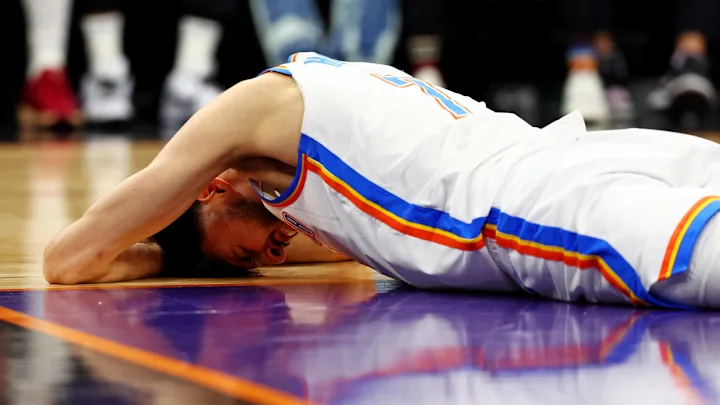
The chet holmgren injury has been one of the most discussed and closely followed storylines in recent NBA seasons, not just because of the injury itself, but because of what Chet Holmgren represents. As a generational big man prospect with guard-like skills, elite rim protection, and rare basketball IQ, any setback to his health naturally sparks league-wide attention. Fans, analysts, and fantasy basketball players alike want to understand what happened, how serious the injury was, and what it means for his future.
This article offers a deep, expert-driven look at the chet holmgren injury, explaining the medical context, recovery process, mental and physical challenges, and how it shapes both Holmgren’s career trajectory and the Oklahoma City Thunder’s long-term plans. Whether you are a casual NBA follower or a devoted Thunder supporter, this guide is designed to answer your questions clearly and thoroughly.
Understanding the Background Behind the Chet Holmgren Injury
Before diving into the specifics of the chet holmgren injury, it helps to understand why his health carries such weight. Holmgren entered the NBA with immense expectations after a standout college career defined by defensive dominance, floor spacing, and advanced feel for the game. His physical profile, however, always sparked debate. Standing well over seven feet tall with a slender frame, durability became a recurring talking point long before he played a single NBA game.
The chet holmgren injury did not occur in isolation. It was the result of a high-intensity basketball environment where speed, power, and explosive movement collide. Modern NBA big men are asked to sprint the floor, defend guards on switches, and contest above the rim, all while maintaining balance and coordination. For a young player adjusting to the league’s pace, the physical stress can be immense.
What Happened: The Nature of the Chet Holmgren Injury
The chet holmgren injury was a foot-related issue that sidelined him for an extended period, forcing him to miss meaningful game action early in his professional career. Foot injuries in basketball are especially concerning because they directly affect balance, explosiveness, and lateral movement, which are critical for both offense and defense.
In Holmgren’s case, the injury involved structural stress to the foot that required careful medical evaluation and a conservative recovery plan. NBA teams have become increasingly cautious with foot injuries, particularly for tall players, due to historical cases where rushing a return led to chronic problems.
What made the chet holmgren injury particularly notable was its timing. Occurring before he had the chance to fully establish himself on the court, it delayed his transition from elite prospect to proven NBA contributor. This absence created uncertainty but also offered an opportunity for long-term physical development without game pressure.
Why Foot Injuries Are Serious for NBA Big Men
To understand the implications of the chet holmgren injury, it is important to grasp why foot injuries carry unique risk for players of his size. The foot bears the full weight of the body during every jump, sprint, and defensive slide. For taller athletes, that load increases significantly.
Foot injuries can impact shooting mechanics, defensive timing, and overall confidence in movement. Even subtle discomfort can alter how a player lands or pivots, potentially leading to secondary injuries. This is why the Thunder’s medical staff approached the chet holmgren injury with patience rather than urgency.
Historically, players who fully commit to rehabilitation and gradual reconditioning have enjoyed far more success than those who return too quickly. This context is critical when evaluating Holmgren’s recovery timeline and long-term outlook.
The Recovery Process and Rehabilitation Journey
The recovery from the chet holmgren injury was not just about healing bone or tissue. It involved a comprehensive approach that included strength training, mobility work, biomechanics analysis, and mental conditioning. Modern NBA rehabilitation emphasizes correcting movement patterns and improving load distribution across joints to reduce future risk.
Holmgren’s rehab focused heavily on lower-body strength, particularly in the hips, ankles, and core. These areas help absorb impact and reduce stress on the feet. Balance drills, controlled agility work, and gradual on-court activities were layered carefully over time.
The chet holmgren injury also allowed the Thunder to invest in long-term physical development. Adding functional strength without sacrificing agility became a priority. This period, while frustrating for fans eager to see him play, likely contributed to a more resilient version of Holmgren.
Mental Challenges During Time Away From the Court
Physical healing is only one side of the chet holmgren injury story. The mental toll of missing games, practices, and team travel can be just as demanding. Young players often struggle with patience during rehab, especially when they feel healthy enough to compete.
Holmgren approached this challenge with maturity. Staying engaged with teammates, studying game film, and maintaining a daily routine helped him remain connected to the game. This mental engagement often separates players who return stronger from those who struggle to regain confidence.
The chet holmgren injury became a learning period where he could absorb NBA concepts, defensive schemes, and offensive spacing without the immediate pressure of performance. Many coaches believe this off-court growth can accelerate on-court impact once a player returns.
How the Chet Holmgren Injury Affected the Oklahoma City Thunder
From a team perspective, the chet holmgren injury reshaped short-term plans but did not derail the Thunder’s long-term vision. Oklahoma City is known for patience and asset development, and Holmgren’s absence aligned with their broader rebuilding timeline.
Without him on the floor, other young players gained valuable minutes and experience. This depth development may ultimately benefit Holmgren by reducing pressure to carry an immediate heavy workload upon return.
The Thunder’s front office consistently emphasized caution, signaling trust in medical expertise rather than public timelines. This approach reinforced organizational credibility and reassured fans that Holmgren’s health remained the top priority.
On-Court Impact After Returning From the Injury
When evaluating the chet holmgren injury in hindsight, one of the most encouraging signs has been his on-court performance after returning. Movement fluidity, defensive instincts, and shooting touch showed little sign of long-term compromise.
Holmgren’s ability to protect the rim without fouling, stretch the floor offensively, and make quick reads highlighted why the Thunder were willing to wait. The injury did not strip away his defining traits, suggesting that the rehabilitation plan was effective.
It is important to note that workload management remains part of the equation. Minutes restrictions, strategic rest, and ongoing monitoring help ensure that the chet holmgren injury remains a chapter rather than a recurring theme.
Long-Term Outlook and Career Implications
The long-term outlook following the chet holmgren injury is cautiously optimistic. Medical advancements, improved training methods, and smarter workload management have significantly improved recovery outcomes compared to previous eras.
Holmgren’s game is not built solely on brute force or explosive athleticism. His anticipation, shooting range, and basketball intelligence allow him to impact games even without constant physical dominance. This versatility reduces wear and tear over time.
If managed correctly, the chet holmgren injury may ultimately be remembered as an early-career obstacle rather than a defining limitation. Many successful NBA players have faced similar setbacks and emerged with longer, more sustainable careers.
Lessons Learned From the Chet Holmgren Injury
The chet holmgren injury offers broader lessons about player development in today’s NBA. Rushing elite prospects back from injury rarely benefits either the player or the franchise. Patience, transparency, and individualized care have become essential components of success.
For fans, it serves as a reminder that long-term health outweighs short-term excitement. For teams, it reinforces the value of comprehensive medical and performance departments that work collaboratively.
Holmgren’s journey highlights how adversity can refine focus, deepen understanding of the game, and strengthen mental resilience.
Conclusion: Why the Chet Holmgren Injury Story Matters
The chet holmgren injury is more than a footnote in NBA news. It is a case study in modern athlete care, long-term thinking, and the balance between potential and patience. Holmgren’s response to injury, both physically and mentally, reflects professionalism beyond his years.
As he continues to grow into his role, the experience gained during recovery may prove just as valuable as any highlight-reel performance. For the Thunder and their fans, the future remains bright, built on trust in process and belief in Holmgren’s unique talent.
Frequently Asked Questions About the Chet Holmgren Injury
What exactly was the chet holmgren injury?
The chet holmgren injury involved a foot issue that required extended recovery and rehabilitation, leading to missed game time early in his NBA career.
Is the chet holmgren injury something that could return later in his career?
While foot injuries always require monitoring, proper rehabilitation and workload management significantly reduce the risk of recurrence.
Did the chet holmgren injury affect his athleticism?
Post-recovery performances suggest that his mobility, timing, and overall effectiveness remain intact.
How did the Thunder handle the chet holmgren injury?
The organization prioritized long-term health, using a cautious and medically guided recovery plan rather than rushing his return.
Does the chet holmgren injury change his career ceiling?
Most analysts believe it does not. With smart management, his skill set and basketball intelligence still support an elite long-term ceiling.
