

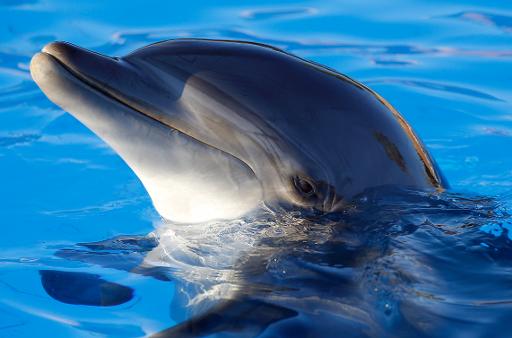
The marine world has always fascinated humans, with its vastness and hidden treasures beneath the surface. But how do scientists, researchers, and even recreational sailors explore these depths safely and efficiently? The answer lies in technologies like dolphin radar, a groundbreaking innovation that plays a crucial role in ocean exploration. In this blog post, we’ll dive deep into the workings of dolphin radar, its applications, and how it’s transforming the way we navigate and understand the marine environment.
What is Dolphin Radar?
Dolphin radar is a sophisticated technology designed to enhance navigation and communication within marine environments. It gets its name from the natural sonar capabilities of dolphins, who rely on echolocation to navigate and locate prey. Inspired by this natural phenomenon, engineers have developed radar systems that work on similar principles but are adapted for human use in marine navigation.
The basic concept of dolphin radar involves the transmission of sound waves that bounce off objects and return to the source. By measuring the time it takes for these sound waves to return, the system can determine the distance and location of objects around it. This technology allows vessels, submersibles, and even autonomous underwater vehicles to detect obstacles, underwater features, or other vessels in real time.
How Does Dolphin Radar Work?
Dolphin radar mimics the echolocation technique used by dolphins. When a dolphin emits sound waves, these waves travel through the water until they hit an object, such as a fish or a rock. The sound waves bounce back to the dolphin, which interprets the returning signals to determine the location, shape, and size of the object.
The human-made version of It uses a similar principle, but instead of biological sonar, it relies on ultrasonic waves or radio frequencies. Here’s how it works:
- Signal Emission: A transducer on the radar device sends out high-frequency sound waves or radio signals into the water or air.
- Echo Reception: These waves bounce off nearby objects and return to the transducer, which then receives the echo.
- Distance Calculation: By analyzing the time it takes for the signal to return, the radar system calculates the distance to the object.
- Data Interpretation: The radar system processes this data to create a visual representation of the surroundings, allowing users to detect obstacles or underwater features in real time.
This technology can be used above or below water, making it incredibly versatile in various maritime applications.
Applications of Dolphin Radar
Dolphin radar has become an indispensable tool in many areas of marine science and navigation. Below are some of the most common applications of this advanced technology:
1. Maritime Navigation and Safety
One of the primary uses of It is in maritime navigation. Vessels of all sizes rely on radar systems to detect obstacles, other ships, and landmasses, ensuring safe travel through often challenging waters. It enhances this by providing more precise readings in difficult conditions, such as fog, rain, or nighttime navigation.
In busy shipping lanes, for example, this radar helps vessels avoid collisions, identify potential hazards, and navigate safely through narrow channels.
2. Underwater Exploration and Mapping
Marine researchers use It to explore and map underwater environments. Whether they are studying shipwrecks, coral reefs, or the ocean floor, this technology provides real-time imaging that is crucial for accurate mapping. It allows researchers to detect the presence of submerged objects, measure the distance to these objects, and create detailed maps of the seafloor, all of which are essential for marine biology, archaeology, and geology.
3. Submarine and Autonomous Vehicle Guidance
Submarines and autonomous underwater vehicles (AUVs) rely heavily on sonar and radar technology for navigation. It systems, with their ability to operate in deep-sea conditions, provide these vehicles with the necessary data to avoid collisions with underwater structures or other vessels. Additionally, AUVs use It to map the ocean floor, monitor marine life, and collect valuable environmental data.
4. Fisheries and Aquaculture Management
Fishermen and those involved in aquaculture benefit from It technology as it helps them track fish populations and monitor underwater ecosystems. With this radar, it’s possible to detect schools of fish, track their movements, and even assess the health of underwater ecosystems. This helps improve the sustainability of fishing practices and enhances the efficiency of commercial fishing operations.
5. Military and Defense
Dolphin radar also plays a crucial role in military and defense applications. Naval forces use radar systems to detect and track submarines, underwater mines, and other threats. In warfare or peacekeeping missions, dolphin radar is essential for underwater surveillance and navigation, ensuring that naval forces can operate safely and efficiently in hostile environments.
Advantages of Dolphin Radar
The benefits of dolphin radar extend far beyond its basic functionality. It offers a range of advantages that make it highly valuable in various marine and underwater applications:
- High Precision: Dolphin radar provides highly accurate readings of underwater objects, even at great depths, which is crucial for navigation and exploration.
- Real-Time Data: It offers instant feedback, allowing operators to make quick decisions and avoid potential hazards or obstacles.
- All-Weather Functionality: Unlike optical systems, which are often limited by weather conditions such as fog or heavy rain, dolphin radar operates efficiently in almost any weather, including low-visibility scenarios.
- Cost-Efficiency: For many applications, dolphin radar offers a more cost-effective solution compared to other navigation technologies like sonar or LIDAR, especially for smaller vessels or research teams.
Challenges and Limitations
Despite its many advantages, dolphin radar does face certain challenges:
- Limited Range: Depending on the type of radar system, the range can sometimes be limited, especially in deeper waters or when trying to detect very small objects.
- Signal Interference: In busy marine environments, multiple radar systems can sometimes interfere with one another, leading to inaccurate readings or a loss of signal.
- Environmental Factors: While dolphin radar works well in many conditions, it can still be affected by water temperature, salinity, and the presence of marine life, which can all impact the quality of the radar signal.
Conclusion
Dolphin radar represents a remarkable achievement in the field of marine technology. Inspired by the incredible echolocation abilities of dolphins, this radar system enhances navigation, safety, and exploration in the challenging marine environment. Whether used for maritime navigation, underwater research, or military defense, dolphin radar provides essential data that ensures the safety and success of various marine operations.
As technology continues to evolve, the future of dolphin radar looks promising, with advancements in signal processing, range capabilities, and precision. For anyone involved in marine exploration, from researchers to recreational sailors, understanding and utilizing dolphin radar can significantly improve the safety and efficiency of their operations.
FAQ Section
1. How does dolphin radar compare to traditional sonar?
Dolphin radar is similar to traditional sonar, but it mimics the natural echolocation abilities of dolphins. While sonar uses sound waves to detect objects underwater, dolphin radar typically offers more precise readings and can function effectively in a variety of weather conditions.
2. Can dolphin radar be used for deep-sea exploration?
Yes, dolphin radar is ideal for deep-sea exploration. It can operate at great depths and provide valuable data on underwater features, shipwrecks, and marine life.
3. How accurate is dolphin radar in detecting obstacles?
Dolphin radar is highly accurate and can detect objects with great precision, even in challenging conditions such as low visibility or rough weather. However, its accuracy can sometimes be influenced by environmental factors like water temperature and salinity.
4. Is dolphin radar used in commercial fishing?
Yes, dolphin radar is used in commercial fishing to track fish schools and monitor underwater ecosystems. It helps improve fishing efficiency and supports sustainable practices by allowing operators to avoid overfishing.
5. What are the limitations of dolphin radar?
The main limitations of dolphin radar include its limited range, the potential for signal interference in busy environments, and the influence of environmental factors on signal quality. Despite these challenges, it remains a valuable tool for marine navigation and exploration.
