

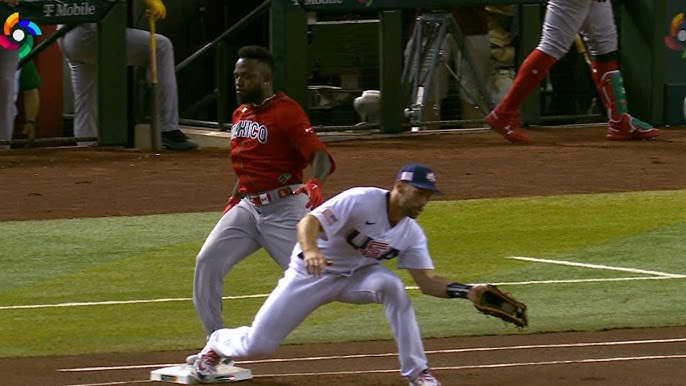
The phrase mexico vs usa baseball instantly sparks excitement among fans who follow international competition. Whenever Mexico and the United States face each other on the baseball field, the matchup represents far more than a single game. It becomes a clash of traditions, talent pipelines, and national pride that has evolved over decades. For readers searching to understand the deeper meaning behind mexico vs usa baseball, this article explores the rivalry from its origins to its modern global impact.
Baseball holds an important place in both countries, yet it developed in very different ways. Those differences shape every mexico vs usa baseball game and explain why these encounters consistently draw global attention and passionate debate.
The Historical Foundation of Mexico vs USA Baseball
To understand mexico vs usa baseball, it helps to look at how the sport grew in each nation. In the United States, baseball became deeply institutionalized through schools, colleges, and professional leagues. This structure produced a steady stream of elite talent and established baseball as a cornerstone of American sports culture.
In Mexico, baseball developed through regional leagues and strong community roots, especially in northern states near the U.S. border. While resources were more limited, the passion for the game was intense. Early international matchups revealed an imbalance in exposure and funding, yet they also showed Mexico’s determination to compete.
Over time, Mexico narrowed the gap. Improved domestic leagues and international experience strengthened the national program. As a result, It evolved from predictable outcomes into genuinely competitive contests that demand respect from both sides.
Cultural Meaning Behind Mexico vs USA Baseball
One reason It resonates so strongly is its cultural symbolism. For American fans, baseball often represents tradition, records, and professional excellence. For Mexican fans, the game symbolizes resilience, unity, and the ability to challenge global powers.
This cultural contrast creates an electric atmosphere whenever It takes place. Mexican supporters bring energy, emotion, and unwavering belief, while American fans emphasize performance, preparation, and expectations of success. The interaction between these perspectives elevates the rivalry beyond simple wins and losses.
Players feel this weight as well. Representing the national team in It carries emotional significance, turning every inning into a statement of identity and pride.
International Tournaments That Define the Rivalry
The World Baseball Classic Effect
Modern perceptions of It have been shaped significantly by the World Baseball Classic. This global competition brings together elite players and showcases national teams at the highest level.
When Mexico and the United States meet in this tournament, the games often defy expectations. Mexico has proven capable of defeating star-studded American rosters, changing the global narrative around the rivalry. These moments have cemented It as one of the most compelling matchups in international baseball.
The tournament has also expanded visibility for Mexican players, reinforcing the idea that talent exists well beyond traditional power structures.
Regional and Olympic-Level Competition
Mexico vs usa baseball has also appeared in Olympic qualifiers and regional championships. These games emphasize strategy, discipline, and adaptability. Mexico’s tactical approach often challenges the American style, producing tight, dramatic contests.
In these settings,It becomes a mental battle as much as a physical one. Small decisions, pitching changes, and situational hitting frequently determine outcomes.
Differences in Playing Style
One of the most fascinating elements of It is the contrast in playing philosophies. The United States typically focuses on power, pitch velocity, and advanced analytics. Mexico, on the other hand, emphasizes fundamentals, contact hitting, and smart base running.
These differences create unique on-field dynamics. A It game may shift momentum through a single strategic play or a timely home run, depending on which approach gains control. This stylistic diversity keeps the rivalry unpredictable and engaging.
Star Players and Defining Performances
Mexico vs usa baseball has featured many standout players who shaped unforgettable moments. American teams often include established Major League stars, while Mexico fields a mix of MLB veterans, domestic league standouts, and emerging talents.
Individual matchups add drama to mexico vs usa baseball. Pitchers facing elite hitters or underdog performances against heavily favored lineups become defining memories. Players with dual eligibility add another emotional layer, making national allegiance a deeply personal decision.
Fan Experience and Global Attention
The fan experience surrounding mexico vs usa baseball is intense and unforgettable. Stadiums fill with divided loyalties, and the atmosphere reflects the emotional investment of both fan bases. Television audiences grow, social media conversations surge, and highlights travel quickly across borders.
Media coverage increasingly recognizes mexico vs usa baseball as a balanced rivalry rather than a mismatch. Analysts now emphasize preparation, depth, and execution instead of assuming outcomes based on reputation alone.
The Global Significance of Mexico vs USA Baseball
Mexico vs usa baseball plays an important role in the broader growth of international baseball. Competitive games encourage investment in youth development and inspire players across Latin America and beyond.
As Mexico continues to challenge traditional hierarchies, mexico vs usa baseball demonstrates that the sport is truly global. This evolution benefits baseball as a whole by increasing diversity, competition, and international interest.
Why Mexico vs USA Baseball Matters Today
In today’s baseball landscape, mexico vs usa baseball carries more relevance than ever. International tournaments, global scouting, and evolving strategies ensure that each matchup contributes to the sport’s future.
Fans now expect excitement, tension, and high-quality play whenever mexico vs usa baseball appears on the schedule. This expectation keeps the rivalry fresh and ensures its continued importance.
Looking Ahead to the Future
The future of mexico vs usa baseball looks strong. Mexico’s investment in player development continues to pay off, while the United States adapts to the demands of international competition.
Upcoming tournaments promise new storylines and memorable performances. Each meeting will add another chapter to the evolving history of mexico vs usa baseball.
Conclusion: The Lasting Power of Mexico vs USA Baseball
The enduring appeal of mexico vs usa baseball lies in its combination of history, culture, and competition. It represents more than a game, reflecting national pride and the universal passion for baseball.
As the sport continues to grow globally, mexico vs usa baseball will remain a defining rivalry. For fans and players alike, it stands as one of the most meaningful and exciting matchups in international sports.
Frequently Asked Questions About Mexico vs USA Baseball
Why is mexico vs usa baseball such a major rivalry?
Mexico vs usa baseball blends national pride, contrasting styles, and a history of competitive international games that consistently draw attention.
Has Mexico defeated the United States in important tournaments?
Yes, Mexico has achieved significant victories against the United States in major international competitions, reshaping perceptions of the rivalry.
Which tournament best showcases mexico vs usa baseball?
The World Baseball Classic is widely viewed as the premier stage for mexico vs usa baseball due to its elite competition and global reach.
How do the teams differ in approach?
The United States often emphasizes power and analytics, while Mexico focuses on fundamentals, strategy, and situational execution.
Will mexico vs usa baseball remain important in the future?
As international baseball continues to expand, mexico vs usa baseball is expected to grow even more significant and competitive.
