

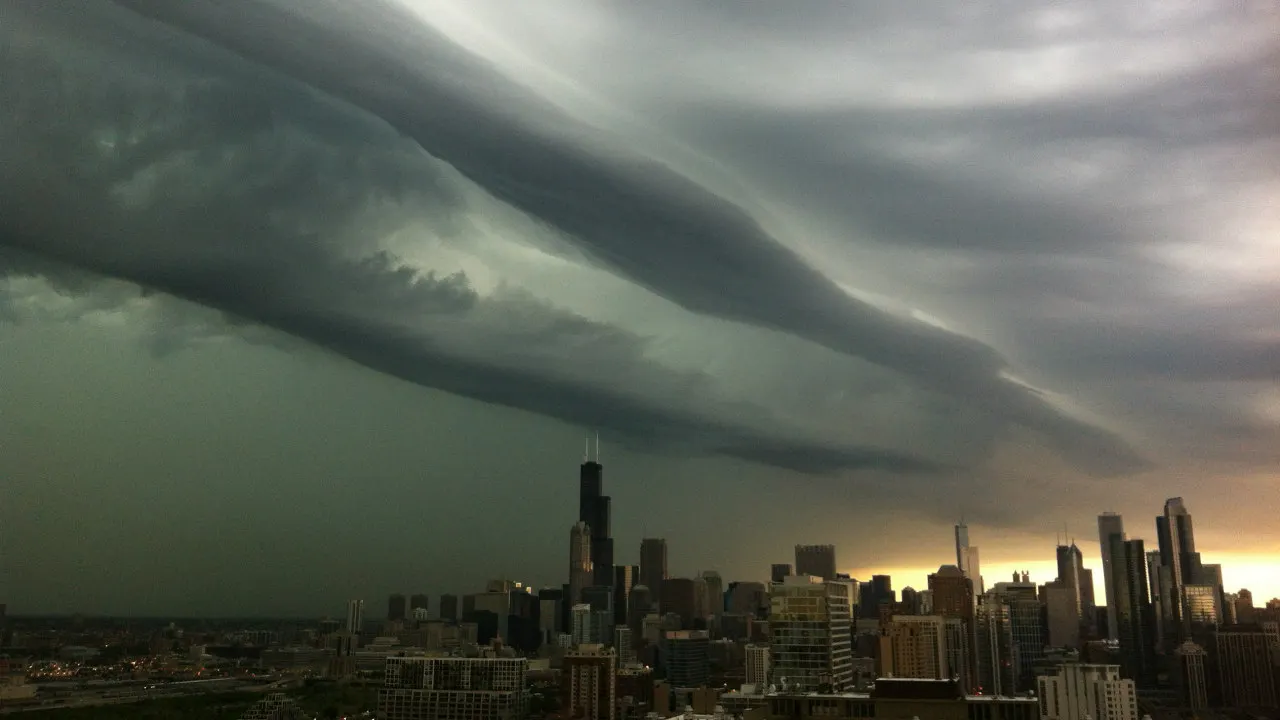
When you see the words tornado warning Chicago flashing across your phone screen or interrupting local programming, it immediately grabs your attention. And it should. A tornado warning is not just another weather update; it is an urgent alert that a tornado has been sighted or indicated by radar and poses a real threat to life and property.
Chicago may be famous for its skyline, Lake Michigan shoreline, and deep-dish pizza, but it is also located in a region that experiences severe weather. Understanding what a tornado warning Chicago really means, how it differs from other weather alerts, and what actions to take can make the difference between panic and preparedness.
This comprehensive guide breaks down everything residents and visitors need to know about tornado warnings in Chicago, including how they are issued, what areas are most at risk, and how to stay safe before, during, and after severe weather strikes.
Understanding a Tornado Warning Chicago Alert
A tornado warning Chicago alert is issued when a tornado has been spotted visually or detected by weather radar. This differs from a tornado watch, which simply means conditions are favorable for tornadoes to form.
When meteorologists at the National Weather Service determine that a tornado is imminent or already occurring, they issue a warning for a specific area. In Chicago and surrounding Cook County, this can include urban neighborhoods, suburbs, and nearby counties depending on storm movement.
The key point is urgency. A tornado warning Chicago is not a forecast. It is an immediate call to action.
In a densely populated city like Chicago, where high-rise buildings, busy streets, and public transportation systems are part of daily life, fast response and public awareness are critical.
Why Chicago Is Vulnerable to Tornadoes
Although Chicago is not in the heart of traditional “Tornado Alley,” it still experiences significant severe weather. The Midwest is a hotspot for powerful storm systems that can produce tornadoes, especially during spring and summer.
Geographic and Meteorological Factors
Chicago’s location near Lake Michigan plays a complex role in storm development. Warm, moist air from the Gulf of Mexico often collides with cooler air masses moving in from Canada. This clash creates unstable atmospheric conditions that can lead to severe thunderstorms.
When wind speeds and directions change with height, a phenomenon known as wind shear occurs. Wind shear is a crucial ingredient in tornado formation. Under the right conditions, these rotating thunderstorms can produce tornadoes, prompting a tornado warning Chicago alert.
Urban density also increases the potential impact. A tornado moving through open farmland is dangerous, but a tornado moving through a densely populated area like Chicago can cause widespread disruption.
Tornado Watch vs. Tornado Warning Chicago
One of the most common sources of confusion involves the difference between a watch and a warning.
A tornado watch means that conditions are favorable for tornadoes to develop. It is essentially a heads-up to stay alert and monitor weather updates.
A tornado warning Chicago, on the other hand, means a tornado has been detected or confirmed. This requires immediate action. You should seek shelter right away, ideally in a basement or an interior room on the lowest floor of a sturdy building.
Understanding this distinction is vital because reaction time matters. When a tornado warning Chicago is issued, storms can move quickly, leaving only minutes to prepare.
How a Tornado Warning Chicago Is Issued
Tornado warnings are typically issued by the National Weather Service using Doppler radar, storm spotter reports, and advanced meteorological models.
Meteorologists analyze radar data to detect rotation within thunderstorms. If strong rotation is observed, especially alongside reports from trained spotters or law enforcement, a tornado warning Chicago is issued for the affected areas.
These alerts are disseminated through multiple channels, including:
Weather apps and mobile push notifications
Emergency alert systems
Television and radio broadcasts
Outdoor warning sirens
In Chicago, outdoor sirens are tested regularly, but they are primarily designed to warn people who are outside. They should not be relied upon as the only source of information indoors.
What to Do During a Tornado Warning Chicago
When a tornado warning Chicago alert is active, your immediate priority is safety.
Move to the lowest level of your building. Basements provide the best protection. If you do not have a basement, go to an interior room without windows, such as a bathroom or closet.
Avoid windows at all costs. Flying debris is the leading cause of injuries during tornadoes.
If you are in a high-rise building, move to the lowest possible floor and stay in an interior hallway or room. Elevators should not be used during severe weather.
If you are driving and cannot reach a sturdy building, do not attempt to outrun a tornado. Seek shelter in a nearby structure if possible. As a last resort, lie flat in a low-lying area while protecting your head.
A tornado warning Chicago situation requires quick thinking and calm execution of your safety plan.
The Impact of Past Tornado Events in Chicago
Chicago has experienced significant tornado events in the past. These storms have caused damage to homes, businesses, and infrastructure across the metropolitan area.
While not as frequent as in some parts of the Midwest, tornadoes in Chicago can be particularly disruptive due to population density and economic activity.
Historical tornado events serve as reminders that a tornado warning Chicago alert is never to be taken lightly. Even weaker tornadoes can cause considerable structural damage and power outages.
Learning from past events helps emergency management agencies improve response strategies and public communication systems.
Preparing Before a Tornado Warning Chicago Is Issued
The best time to prepare for a tornado warning Chicago is long before storm clouds gather.
Create a household emergency plan. Identify safe shelter areas in your home and ensure every family member knows where to go.
Prepare an emergency kit that includes water, non-perishable food, flashlights, batteries, a first aid kit, and essential medications.
Stay informed by downloading reliable weather apps and enabling emergency alerts. Many Chicago residents rely on trusted local meteorologists and official National Weather Service updates.
Preparation transforms a tornado warning Chicago from a moment of panic into a structured response.
How Climate Trends May Influence Tornado Warning Chicago Alerts
Recent research suggests that tornado patterns may be shifting geographically. Some studies indicate that the Midwest and Southeast are experiencing more frequent severe weather events compared to historical averages.
While climate science continues to evolve, experts agree that atmospheric instability and extreme weather events may increase in certain regions.
For Chicago, this could mean heightened awareness during peak storm seasons. A tornado warning Chicago may become more common during active severe weather years.
Staying informed about long-term climate trends can help communities plan infrastructure improvements and enhance emergency preparedness systems.
The Role of Technology in Tornado Warning Chicago Alerts
Modern forecasting tools have significantly improved the accuracy and lead time of tornado warnings.
Doppler radar technology can detect rotation within storms before a tornado touches down. Advanced computer models allow meteorologists to predict storm paths with greater precision.
Mobile technology has also revolutionized the way residents receive alerts. A tornado warning Chicago notification can reach millions of people instantly through smartphones.
However, technology is only effective if individuals act on the information. Public education remains a key component of tornado safety.
After a Tornado Warning Chicago Has Expired
Once a tornado warning Chicago alert expires, it does not necessarily mean the danger has completely passed. Severe thunderstorms can continue to produce heavy rain, lightning, and strong winds.
Check for injuries and provide first aid if necessary. Avoid downed power lines and report hazards to local authorities.
Document property damage with photos for insurance purposes. Follow official guidance regarding cleanup and recovery efforts.
Community resilience plays a crucial role in recovery. Chicago’s emergency management teams work closely with local agencies to restore services and support affected neighborhoods.
Staying Calm During a Tornado Warning Chicago
Fear is a natural reaction to severe weather. However, staying calm and focused increases your chances of making safe decisions.
Having a clear plan reduces anxiety. When a tornado warning Chicago alert is issued, you should already know exactly where to go and what to do.
Discuss tornado safety with children in advance. Reassurance and clear instructions help them feel secure even during frightening storms.
Preparedness builds confidence, and confidence fosters safety.
Conclusion: Why Every Tornado Warning Chicago Matters
A tornado warning Chicago alert is more than a weather notification. It is a critical safety message that demands immediate action.
Chicago’s location in the Midwest means severe weather is part of life. While tornadoes may not occur every year in the city itself, the potential always exists during storm season.
By understanding what a tornado warning Chicago means, how it is issued, and how to respond, residents can protect themselves and their families.
Preparation, awareness, and timely action are the keys to safety. When the next tornado warning Chicago alert appears, you will not be caught off guard. Instead, you will be ready to respond calmly and effectively.
FAQs About Tornado Warning Chicago
What does a tornado warning Chicago mean?
A tornado warning Chicago means a tornado has been detected by radar or sighted and poses an immediate threat. Residents should seek shelter right away.
How long does a tornado warning Chicago usually last?
Most tornado warnings last about 30 to 60 minutes, depending on storm movement and severity.
Is Chicago part of Tornado Alley?
Chicago is not in the traditional Tornado Alley, but it is located in the Midwest where severe storms and tornadoes can occur.
Should I rely on outdoor sirens during a tornado warning Chicago?
Outdoor sirens are designed to warn people who are outside. Indoor alerts through smartphones, weather radios, and television are more reliable.
What is the safest place during a tornado warning Chicago?
The safest place is a basement. If no basement is available, go to an interior room on the lowest floor, away from windows.
